
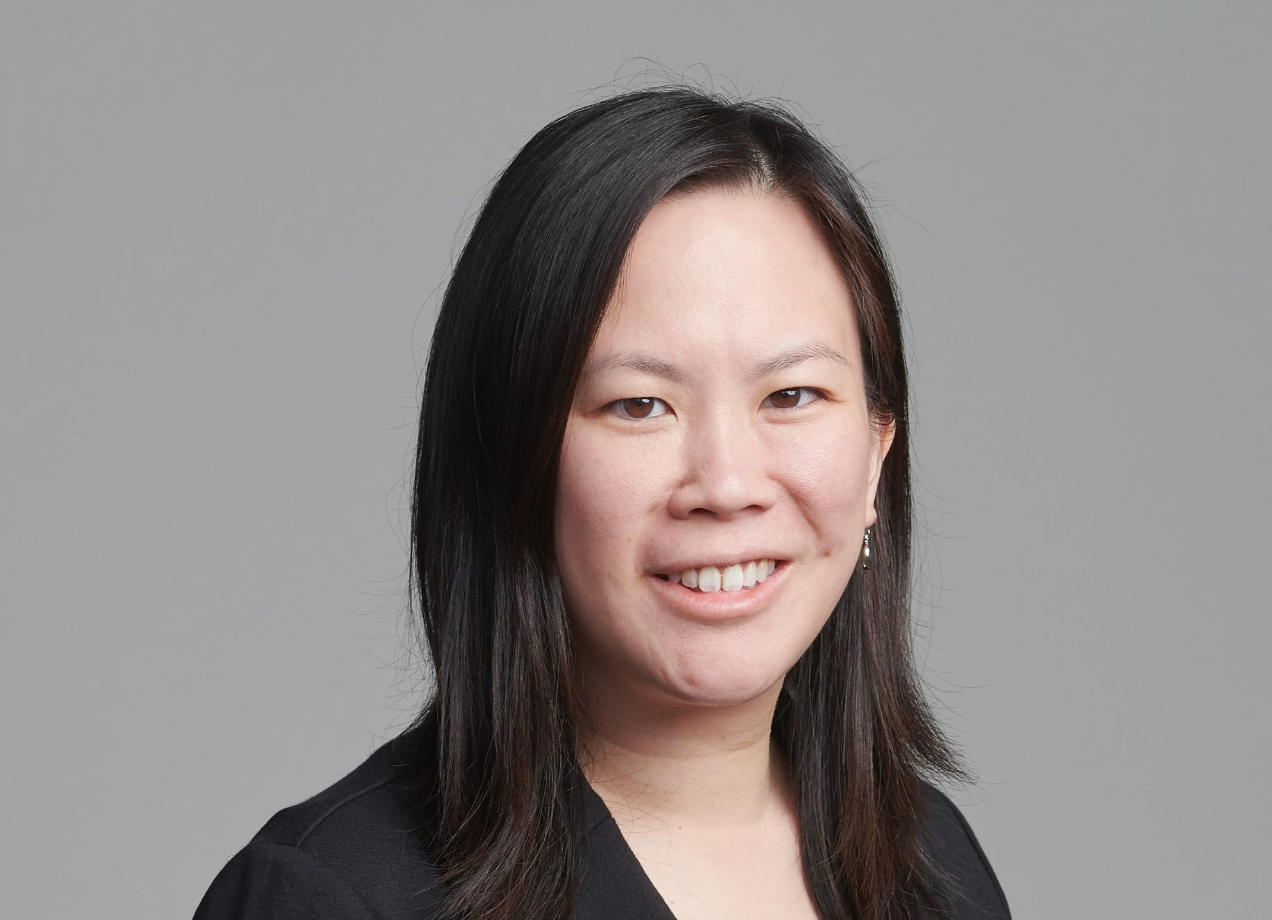
For Natasha Ho, Senior Director of our Asia Retirement team and based in Singapore, actuarial science has always been about more than calculations. Across a 20-year career in retirement consulting, she has discovered the value of staying curious, learning continuously, working with others and turning complex analysis into practical action.
Her first introduction to the role came close to home. “My grandfather was in the insurance industry, so it was a profession mentioned at the dinner table growing up,” Natasha says. When it came time to choose a university major, actuarial science appealed because it was “broad and flexible.”
Her path eventually led her to retirement consulting. Two decades later, she believes a fulfilling career is not necessarily about discovering one perfect project but finding a place where there is room to keep developing. “Looking back, finding the right career is less about finding that one perfect job or subject matter, and more about being in a space where there’s always more to learn, new problems to solve, and to do that together with other good people.”
Putting a number on the future
Natasha has a wonderfully simple answer to explain what an actuary does: “It’s about putting a number on something now that hasn’t happened yet and may or may not happen.” Whether considering life insurance, medical claims, retirement benefits or even insuring a precious Picasso, actuaries are “trying to put a price today on uncertain events in the future.”
Learning the power of collaboration
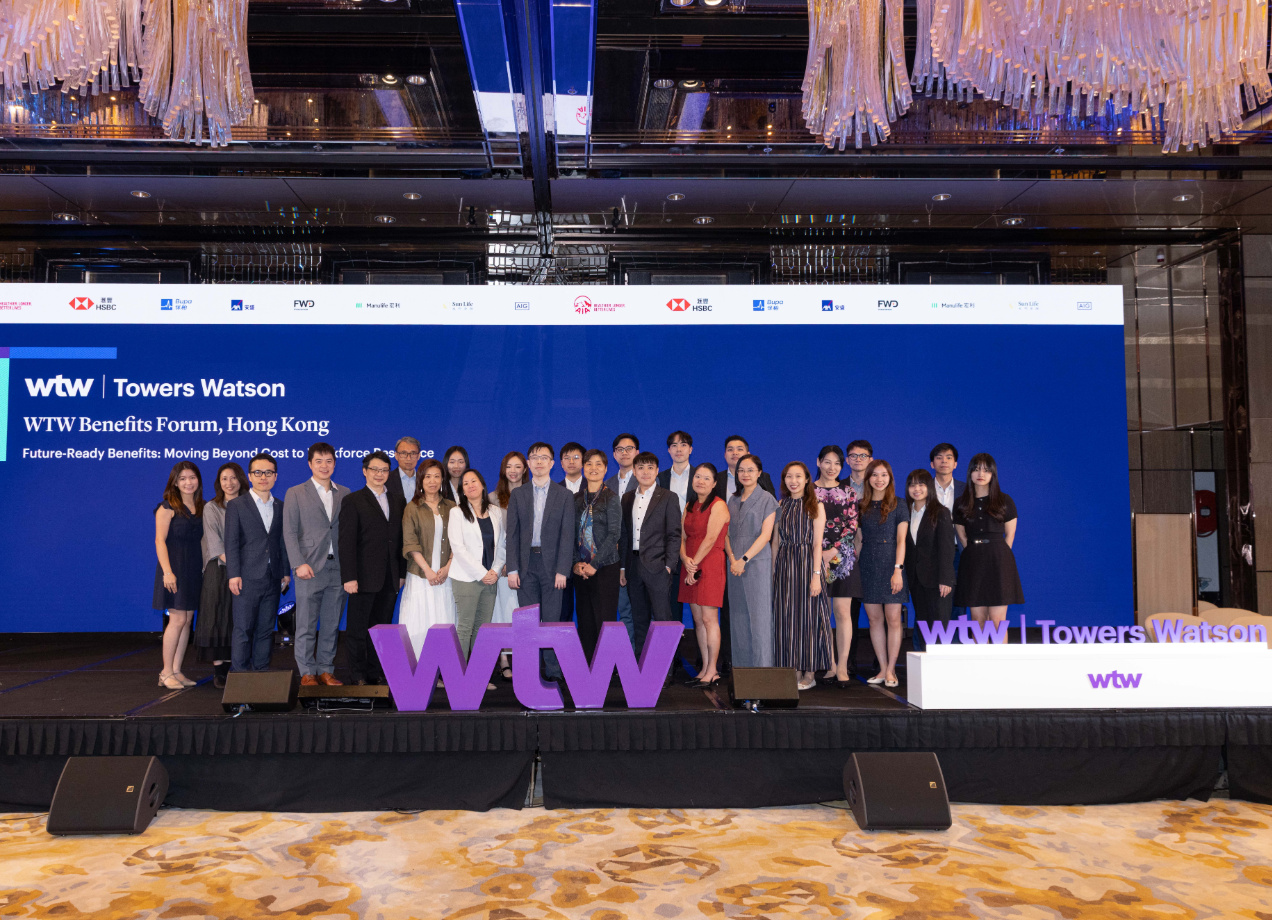
One of Natasha’s proudest WTW memories comes from earlier in her career, when her team was helping a client implement a benefit change program.
The goal involved meeting as many of the client’s 1,000-plus employees as possible, face-to-face and in their workplaces across Hong Kong. The scale meant colleagues beyond the core team needed to get involved. “Very quickly though, a willing team came together, and everyone just mucked in to get it done.”
The experience left Natasha with a lesson that has stayed with her: “The project was both a proud achievement for the team, and a humbling reminder that no matter how capable I think I am, we need each other to get big things done.”
Asking “So what?”
Another lesson has followed Natasha all the way from the classroom into consulting. Her English teacher used to write two words on her school essays: “So what?”
It remains a question she regularly returns to. “As actuaries and consultants, we can sometimes become a little too enamored with the data, the analysis, the beautifully technical charts that sing of the robustness of our processes and the depth of our knowledge.” The real value comes from making that complexity useful. “What does this actually mean? What’s the crux of everything you’re telling me? What should I do next? What are others doing? How do I fix the problem?” “Being able to translate all our technical analysis into practical solutions and actions is where we provide value.” And, she adds with characteristic humor, asking “So what?” is also “a good way to cull slides!”
When understanding clicks
Technology has transformed drastically during Natasha’s career. Analysis that once took weeks or months can now be completed in days, hours or even minutes. Yet, one thing remains constant. “What hasn’t changed is the need to turn those numbers into something meaningful: a clear message, an idea worth pursuing, a recommendation worth implementing, a direction of travel that moves our clients towards their goals.”
That impact is sometimes visible in a single moment. Natasha describes explaining something technical to a client and watching “the penny drop.” “Their eyes widen, their eyebrows lift, they sit up a little straighter, a small, relieved smile breaks out and they go, ‘Ohhh, I get it now’.
In some ways that’s consulting in its purest form: helping someone understand something they didn’t understand before.”
Looking toward what’s next
Natasha is optimistic about where technology, data and automation could take actuarial science. “The actuarial profession is embracing change and technology, and it’ll be exciting to see how far it can go.”
For those considering the profession, her advice is to invest in understanding the fundamentals of your subject area, stay curious and embrace the discomfort of working through complex ideas.
“Technology and AI are great tools,” she says, while emphasizing the importance of continuing to develop your own thinking. Because however sophisticated the technology becomes, Natasha believes an essential part of the profession will remain human. “In an age of overflowing information and demands for our attention, the ability to turn ideas on paper into real-world action remains stubbornly human. That’s what keeps our profession interesting and exciting.”
Inspired by Natasha’s story? Your own actuarial journey could take you in equally interesting directions. Explore our actuarial opportunities and discover where your experience, curiosity and perspective could take you next.
- Colleague Spotlight
- Experienced Professionals
